


Meet George Albantov
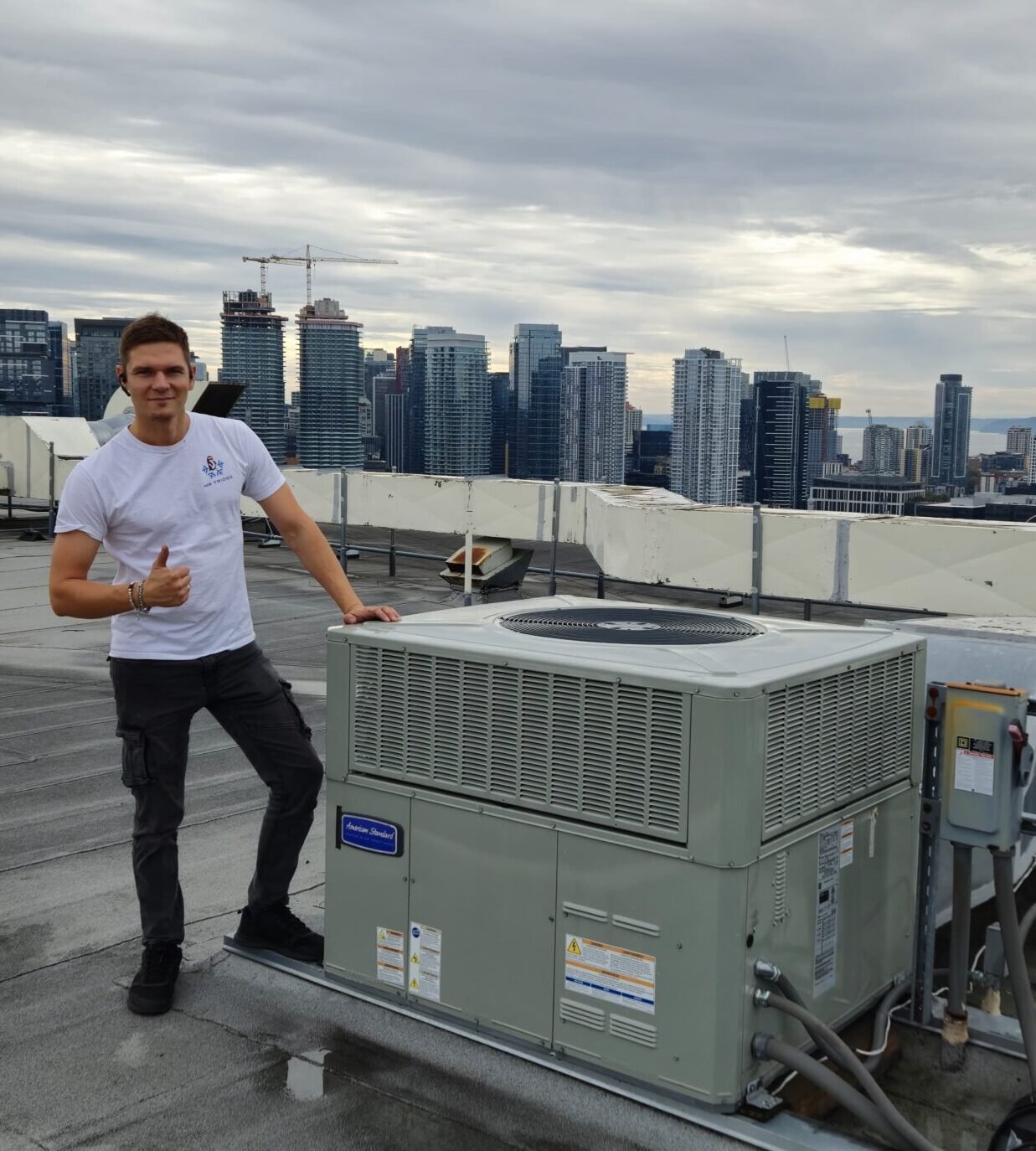
George runs Mr. Fridge out of Seattle. When we met in 2023 the business was appliance repair, which is a category with no shortage of competent operators and no easy way for any of them to stand out.
The work was good. The problem was that a property manager searching for help had no reason to pick Mr. Fridge over the dozen other names on the page, and nothing online explained why they should.
The starting point
A capable repair business competing on the same terms as everybody else, in the part of the market with the most competition and the least margin.
- A website that described services but did not convert
- No brand distinct from any other repair company
- Competing in consumer appliance repair, the most crowded segment
- No tracking tying calls back to what produced them
- Commercial refrigeration searches going to competitors
- No presence beyond the immediate Seattle area
How it unfolded
Three years, one phase at a time. The category shift in phase three is the part that changed the business.
01
Build the site first
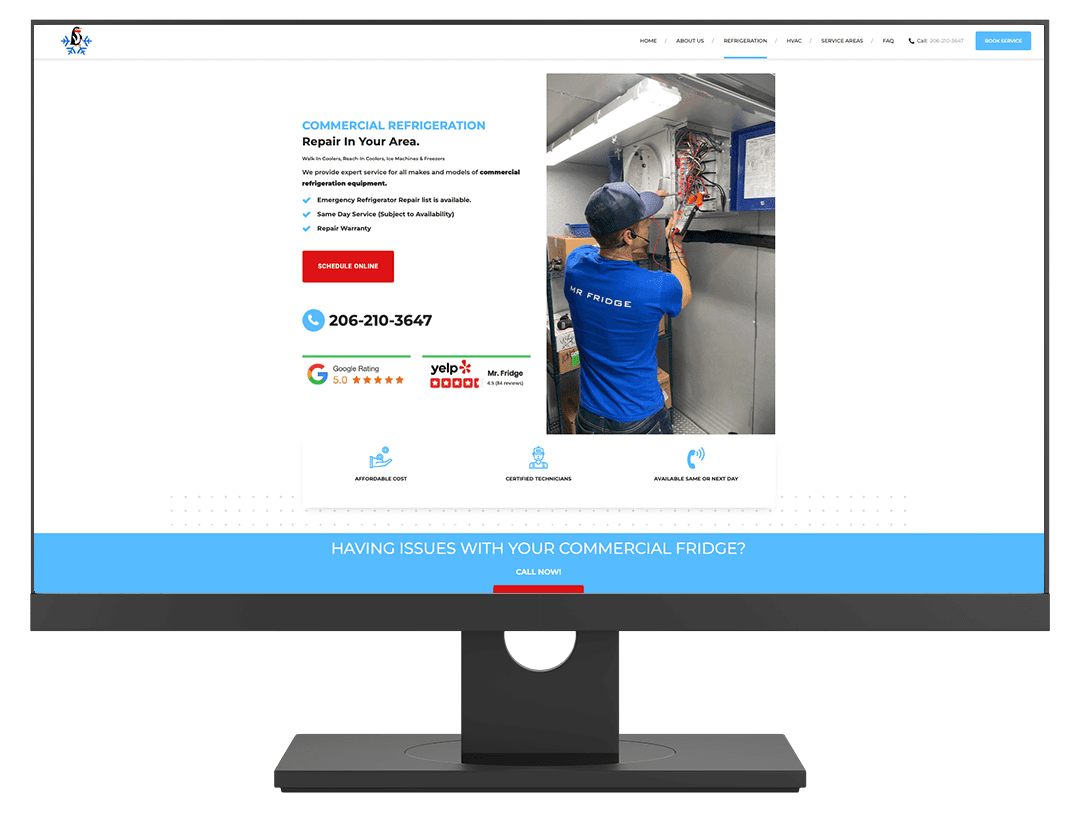
A conversion-focused site before anything else, because every channel we planned would pour through it. Supported by a mascot and a graphic identity that made a commodity trade memorable in a category where nobody bothers.
02
Turn on paid search
Google Ads once there was somewhere worth sending traffic, layered with Yelp and the other places these searches actually start. Call and form tracking from day one so we could see which keywords produced paying work.
03
Follow the data into commercial
The tracking kept pointing the same direction. Commercial jobs were higher value, less price-sensitive, and far less contested. We pushed SEO hard at commercial refrigeration queries and the business followed the demand.
04
Own the category across the metro
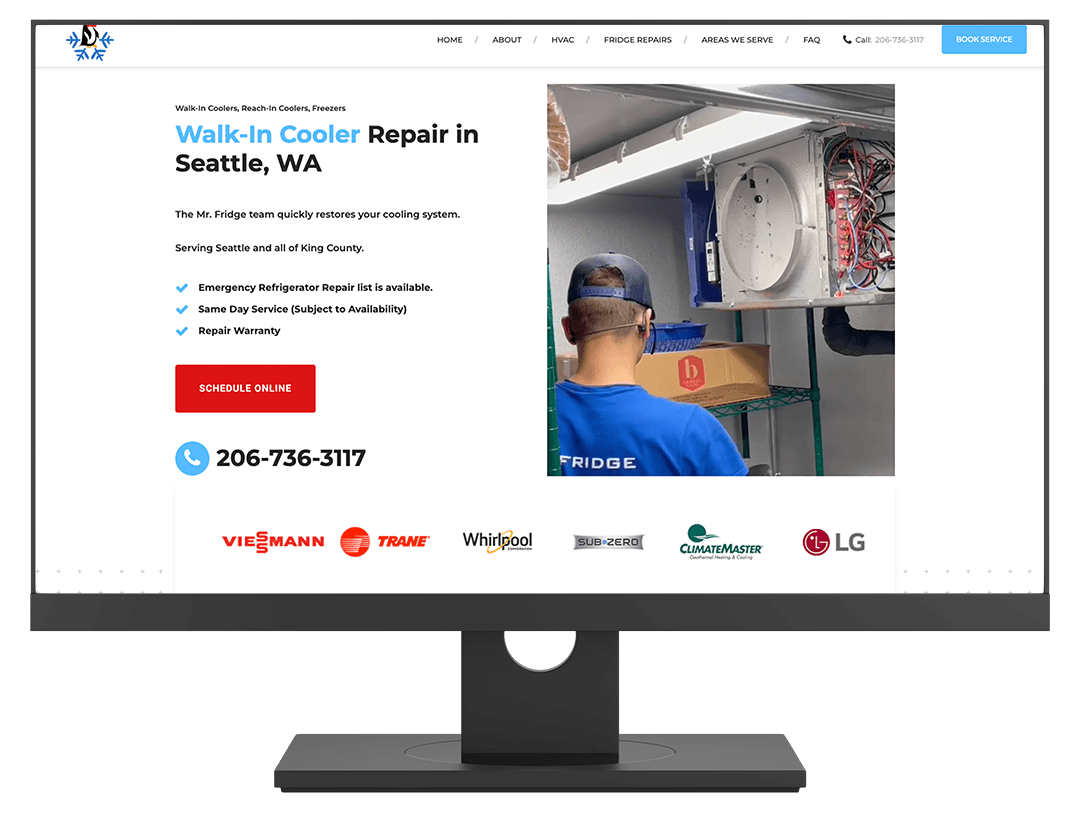
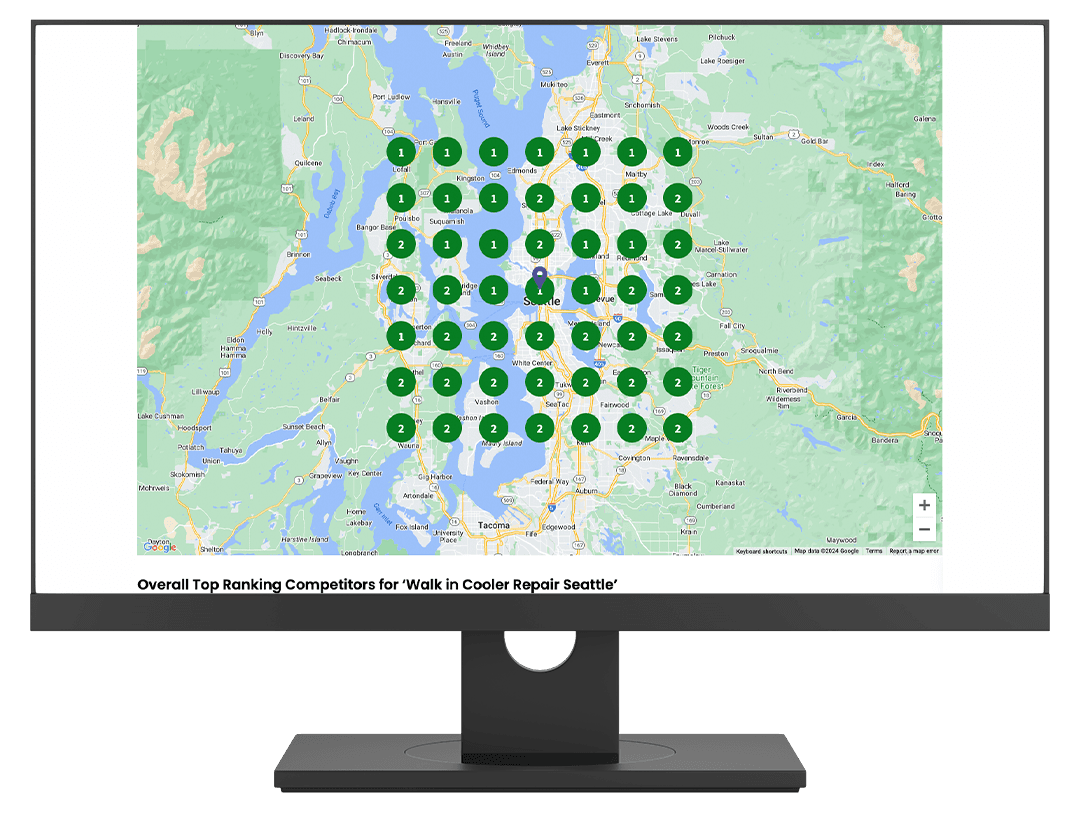
Service pages and local presence across the Seattle metro until Mr. Fridge held the top positions for commercial fridge repair and installation, and the consumer work could be dropped entirely.
05
Expand into a second market
With the model proven, we took the same structure into Austin: new site, new local presence, campaigns live before the market knew the name.
06
Keep compounding
Quarterly content, technical maintenance, and campaign work so the position holds instead of decaying the moment spend pauses.
Results
21.7%
conversion rate, up from 1.8%
9x
return on investment
74k
quarterly site visits
+30%
traffic growth quarter over quarter
The conversion rate is the number worth pausing on. Going from 1.8 percent to 21.7 percent means the same traffic produces roughly twelve times the work, before a single extra dollar of spend.
What comes next
Austin is following the Seattle playbook, and the commercial refrigeration position in Washington now needs defending rather than building.
The goal has not changed since 2023: be the company commercial property managers call first. In Seattle that is already true.
How Mr. Fridge went from appliance repair to owning commercial refrigeration
A two year partnership that moved a Seattle repair company out of a crowded consumer market and into the commercial category it now leads.
Mr. Fridge
From one more repair company to the obvious call
When George brought us in during 2023, Mr. Fridge was a competent appliance repair company in a market full of competent appliance repair companies. The work was good. The problem was that nothing online said so, and nothing separated them from the dozens of other names a property manager could call instead.
We started with the website, because everything else pours through it. A conversion-built site, a mascot, and a graphic identity that made a commodity trade memorable. Then Google Ads, layered with Yelp and the other places these searches actually happen.
The real decision came later. The data kept pointing at commercial work: higher value, less price shopping, fewer competitors bidding for the search. So we pushed SEO hard at commercial refrigeration queries across the Seattle metro, and the business followed the demand until it had repositioned around commercial repair and installation entirely.
Traffic grew roughly 30 percent quarter over quarter, past 74,000 quarterly visits. Conversion rate moved from 1.8 percent to 21.7 percent, about a ninefold return on what went in. The program now runs in Austin as well.